Your cart is currently empty!
Author: user
-

The Fundamentals of Muscle Hypertrophy: How to Build Muscle Effectively
Intro: “Hypertrophy” might sound like a complicated scientific term, but it’s simply the process of muscle
growth. If your goal is to get stronger and build a more muscular physique, understanding the core
principles of hypertrophy is essential. It’s about training smarter, not just harder.
Let’s break down the three main pillars of muscle hypertrophy and show you how to apply them in your
training.
Pillar 1: Mechanical Tension This is the most important factor in muscle growth. Mechanical tension is
the physical stress you place on your muscles when you lift weights. It’s the feeling of your muscle fibers
stretching and contracting under a heavy load. To achieve this, you need to:
● Lift Heavy Enough: You can’t get bigger by lifting light weights for a hundred reps. The sweet
spot for hypertrophy is generally considered to be in the 6-12 rep range with a weight that brings
you close to failure.
● Practice Progressive Overload: This is the golden rule of muscle building. To force your
muscles to adapt and grow, you must consistently increase the demand you place on them. This
means adding more weight, performing more reps, or increasing your workout volume over time.
Pillar 2: Metabolic Stress Metabolic stress is the “pump” you feel during your workout. It’s the buildup of
metabolic byproducts (like lactate) in your muscles. This stress contributes to cell swelling, which has
been shown to signal muscle growth. You can increase metabolic stress by:
● Using a High Rep Range: Training in the 15-20 rep range can create a significant pump.
● Reducing Rest Times: Shorter rest periods (30-60 seconds) between sets keep your muscles
under tension for longer and amplify the metabolic stress.
● Using Advanced Techniques: Techniques like drop sets, supersets, and rest-pause sets are
excellent for maximizing metabolic stress.
Pillar 3: Muscle Damage When you work out, you create micro-tears in your muscle fibers. This isn’t a
bad thing—it’s the first step in the growth process. As your body repairs this damage, it rebuilds the
muscle fibers to be bigger and stronger than before. You can induce muscle damage by:
● Focusing on the Eccentric Phase: The “lowering” part of an exercise (e.g., lowering a dumbbell
in a bicep curl) is where most muscle damage occurs. Control the weight and perform this phase
slowly.
● Trying a New Exercise: Introducing a new exercise can create more muscle damage in a novel
way, as your body is not yet accustomed to the movement.
Putting It All Together A great hypertrophy program will incorporate all three of these pillars. Don’t just
focus on one—a balanced approach that includes heavy lifting, metabolic stress, and controlled
movements will give you the best results. Remember, proper nutrition and adequate sleep are just as
important for the recovery and rebuilding process -
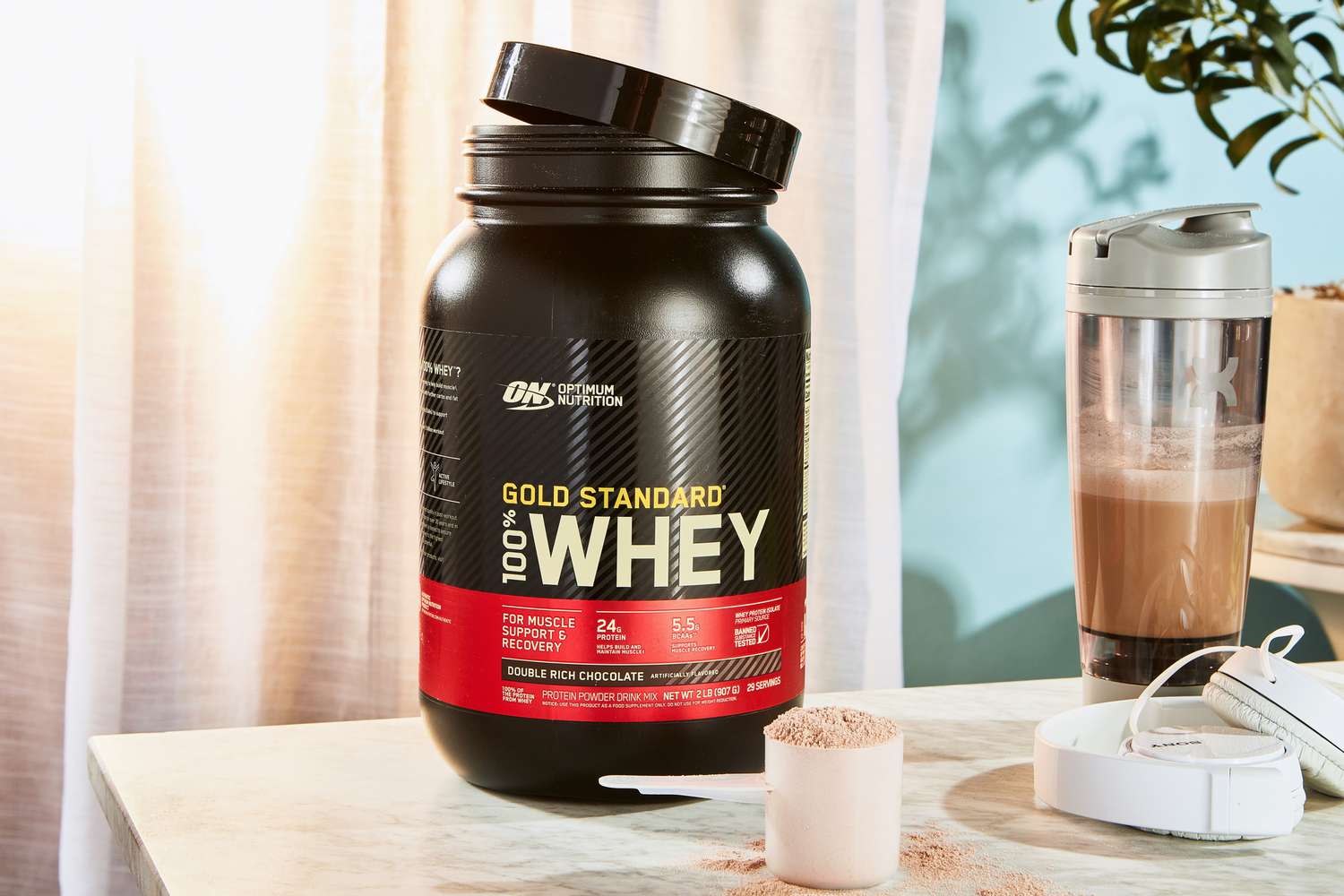
How Much Protein Do You Really Need? A Simple Guide
Intro: When it comes to building muscle, losing fat, or simply staying healthy, protein is king. But the
question of “how much protein should I take?” can be confusing, with advice ranging from “a little bit” to
“as much as you can.”
Let’s cut through the noise and provide a simple, science-backed guide to figuring out your ideal daily
protein intake based on your goals and lifestyle.
The Golden Rule: The Bodyweight Formula The most common and effective way to calculate your
protein needs is based on your body weight. The general recommendation is a range, as your needs
depend on your activity level and goals.
● For the average, sedentary adult: The recommended daily allowance (RDA) is 0.8 grams of
protein per kilogram of body weight (or about 0.36 grams per pound). This is the minimum to
prevent a deficiency.
● For active individuals and athletes: Your needs are significantly higher. A good starting point is
1.6 to 2.2 grams of protein per kilogram of body weight (or about 0.7 to 1.0 grams per
pound).
○ Muscle Building: Aim for the higher end of this range (1.8-2.2 g/kg or 0.8-1.0 g/lb) to
support muscle repair and growth.
○ Fat Loss: A higher protein intake can help you feel full and preserve muscle mass while
in a calorie deficit. Aim for the higher end of the range here as well.
Example Calculation: Let’s say you weigh 75 kg (about 165 lbs) and are an active person looking to
build muscle.
● Using the formula: 75 kg * 2.0 g = 150 grams of protein per day.
Why is Protein So Important? Protein is made up of amino acids, which are the building blocks of
virtually everything in your body, from muscles and bones to enzymes and hormones. Getting enough
protein is crucial for:
1. Muscle Repair & Growth: Your muscles are broken down during exercise and require protein to
rebuild stronger.
2. Satiety: Protein helps you feel full and satisfied, making it easier to manage your appetite.
3. Metabolic Health: Your body burns more calories to digest protein than it does to digest carbs or
fats.
Can You Have Too Much Protein? For healthy individuals, consuming a high amount of protein is
generally safe. Your body is efficient at processing it. The key is to get your protein from a variety of
sources and to stay hydrated.
Conclusion: While every person is different, using a bodyweight-based formula is the simplest and most
effective way to ensure you’re getting the protein you need to support your fitness and health goals.
Remember to distribute your protein intake throughout the day to maximize absorption and muscle
synthesis. -
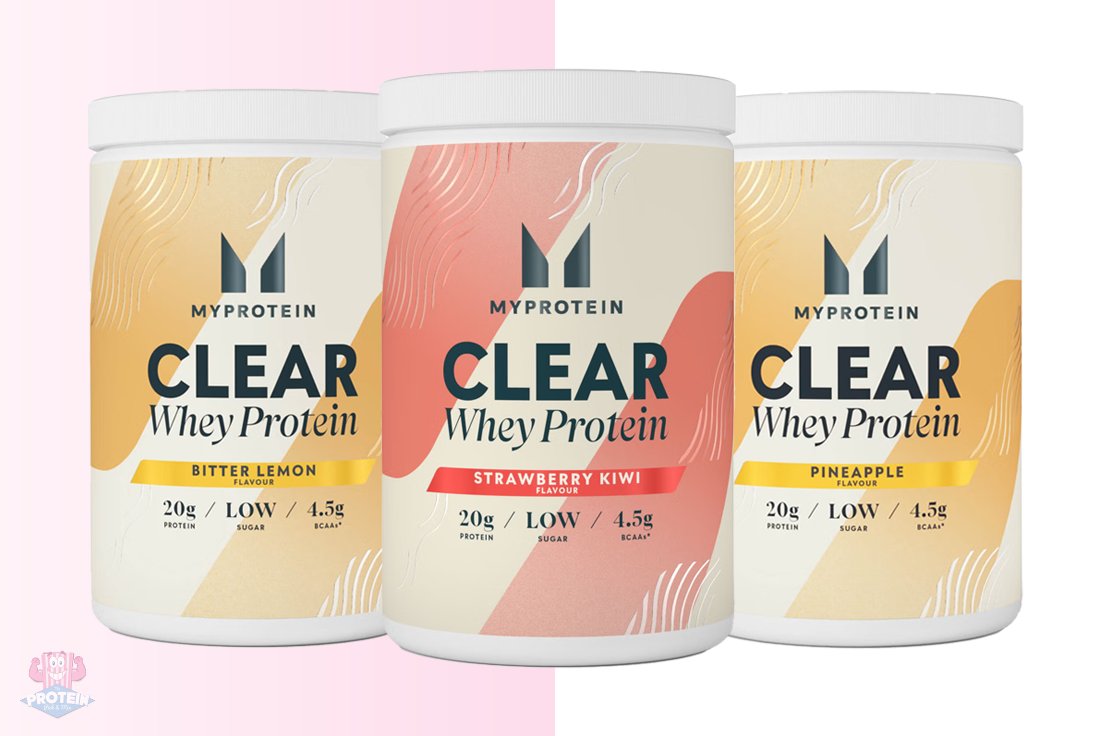
What is Clear Whey and Is It the Right Protein for You?
Intro: When you think of protein powder, you probably picture a thick, creamy shake. But what if there
was an alternative that was more like a refreshing fruit juice? That’s exactly what clear whey is, and it’s
quickly becoming a popular choice for those looking to change up their protein routine.
In this guide, we’ll explain what clear whey is, how it’s different from traditional whey, and help you decide
if it’s the right choice to help you reach your goals.
What Exactly is Clear Whey? Clear whey is a type of whey protein isolate. Unlike standard whey
protein, which is often a concentrate, clear whey undergoes a special process that removes fats, lactose,
and other compounds. This leaves behind a very pure form of protein that, when mixed with water, results
in a light, refreshing, and translucent drink rather than a milky shake.
Key Differences from Traditional Whey Protein
● Texture: The most obvious difference is the texture. Clear whey is thin and smooth, similar to a
juice, while traditional whey is thick and creamy like a milkshake.
● Taste: Clear whey often comes in refreshing, fruity flavors like lemonade, berry, or tropical punch,
a sharp contrast to the typical chocolate and vanilla of traditional whey.
● Digestion: Because of its purity, clear whey is incredibly fast-digesting. It’s often easier on the
stomach for those with sensitivities to dairy (though it still contains milk proteins).
● Protein Content: Clear whey is typically an isolate, meaning it has a very high protein
percentage with minimal carbs and fats.
Who is Clear Whey For? Clear whey is an excellent choice for:
● Those who dislike the taste or texture of traditional protein shakes. If you’ve never been a
fan of creamy, milky drinks, clear whey offers a perfect alternative.
● People who want a lighter, more refreshing post-workout drink. It’s especially great for hot
weather or after a long, sweaty session when a heavy shake is the last thing you want.
● Individuals with minor lactose sensitivities. While it’s not lactose-free, the isolation process
removes much of the lactose, making it easier to digest for some.
Is Clear Whey Right for You? If you’re looking for a low-calorie, high-protein supplement that feels more
like a refreshing beverage than a meal, clear whey is a fantastic option. It provides the same muscle-
building benefits as traditional whey protein but in a completely different and delicious form -
The Top 5 Benefits of Taking Pre-Workout (And How It Can Transform YourTraining)
Intro: Ever felt sluggish after a long day and struggled to find the motivation for the gym? Or maybe you
just hit a plateau and need a way to push through it. That’s where pre-workout comes in. While often
associated with a jolt of caffeine, a well-formulated pre-workout supplement does much more to help you
have a more focused and effective training session.
Here are the top five reasons why adding a pre-workout to your routine can take your training to the next
level.
1. Increased Energy and Focus The most immediate and noticeable benefit is a boost in energy. Key
ingredients like caffeine and L-tyrosine work together to wake up your mind and get you in the zone. This
increased focus helps you concentrate on your form, connect with your muscles, and stay motivated
through even the toughest workouts.
2. Improved Strength and Power Many pre-workouts contain ingredients like creatine and beta-alanine.
As we discussed, creatine helps with explosive power, allowing you to lift heavier and for more reps.
Beta-alanine, on the other hand, helps buffer the lactic acid buildup that causes muscle fatigue, enabling
you to push through that burning sensation and get more reps in.
3. Enhanced Blood Flow (The “Pump”) The “pump” isn’t just for looks. Ingredients like L-citrulline and
L-arginine help your body produce nitric oxide, which widens your blood vessels. This vasodilation leads
to increased blood flow to your muscles, delivering more oxygen and nutrients during your workout. This
not only gives you that satisfying full feeling but also helps with endurance and recovery.
4. Delayed Muscle Fatigue Tired of feeling gassed halfway through your workout? The combination of
ingredients that boost endurance and buffer muscle acidity means you can train harder for longer. This is
crucial for anyone trying to increase their work capacity or break through a plateau in their training.
5. Better Overall Performance The combined effect of all these benefits is a significant improvement in
your overall workout performance. You’ll have more energy, better focus, greater endurance, and a
stronger mind-muscle connection. This translates to more effective training sessions, which, in the long
run, leads to better results.
Conclusion: A pre-workout isn’t a crutch, but a tool to help you make the most of your training. By
providing a boost in energy, focus, and power, it can help you turn an average workout into an
exceptional one. If you’re looking to optimize your performance and get the most out of every gym
session, a pre-workout is a smart choice -
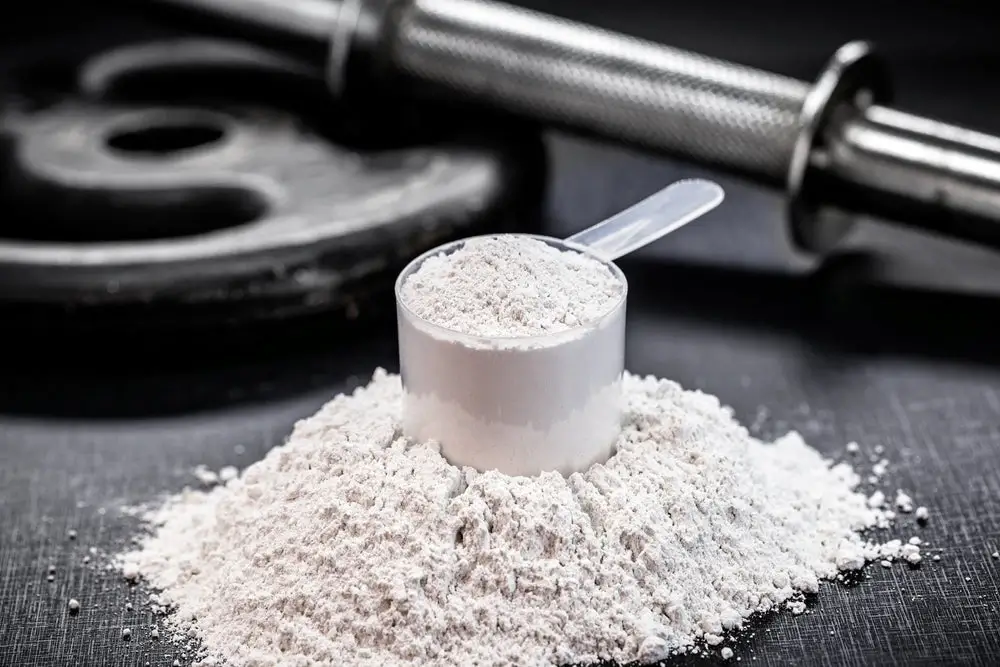
Why Creatine is a Must-Have for Anyone Serious About Strength Training
Intro: If you’ve spent any time in the gym or researched supplements, you’ve probably heard of creatine.
It’s one of the most studied and scientifically-backed supplements on the market, especially for strength
athletes. But what exactly does it do, and why is it considered so essential for building muscle and
strength?
In this post, we’ll break down the science behind creatine and explain exactly why it should be a staple in
your supplement stack if your goal is to lift heavier, perform better, and see results faster.
The Science Behind Creatine: A Quick ATP Refresher Think of your muscles as tiny engines. To
perform explosive movements like a heavy squat or a powerful sprint, these engines need immediate
energy. This energy comes from a molecule called adenosine triphosphate (ATP). The problem is, your
body’s stores of ATP are very limited and deplete quickly during high-intensity exercise.
This is where creatine comes in. Creatine helps regenerate ATP. It donates a phosphate molecule to
create more ATP, essentially giving your muscles a quick and powerful “recharge.” By increasing your
body’s creatine phosphate stores, you can perform more reps or sets at a high intensity before fatigue
sets in.
Key Benefits of Creatine for Strength Training
1. Increased Strength and Power: This is creatine’s most well-known benefit. By allowing you to
produce more ATP, creatine directly enables you to lift more weight or perform more explosive
movements. Over time, these increases in training intensity lead to greater strength gains2. Enhanced Muscle Growth (Hypertrophy): Creatine has been shown to increase muscle cell
volume, a process known as “cell volumization.” It pulls water into the muscle cells, making them
appear larger and potentially stimulating the anabolic process that leads to long-term muscle
growth.
3. Improved Workout Performance: By delaying muscle fatigue, creatine allows you to get more
out of each workout. That extra rep or two on your heavy lifts can make all the difference in
progressive overload and results.
4. Faster Recovery: Some research suggests that creatine can help reduce muscle cell damage
and inflammation after an intense workout, leading to a faster and more efficient recovery -
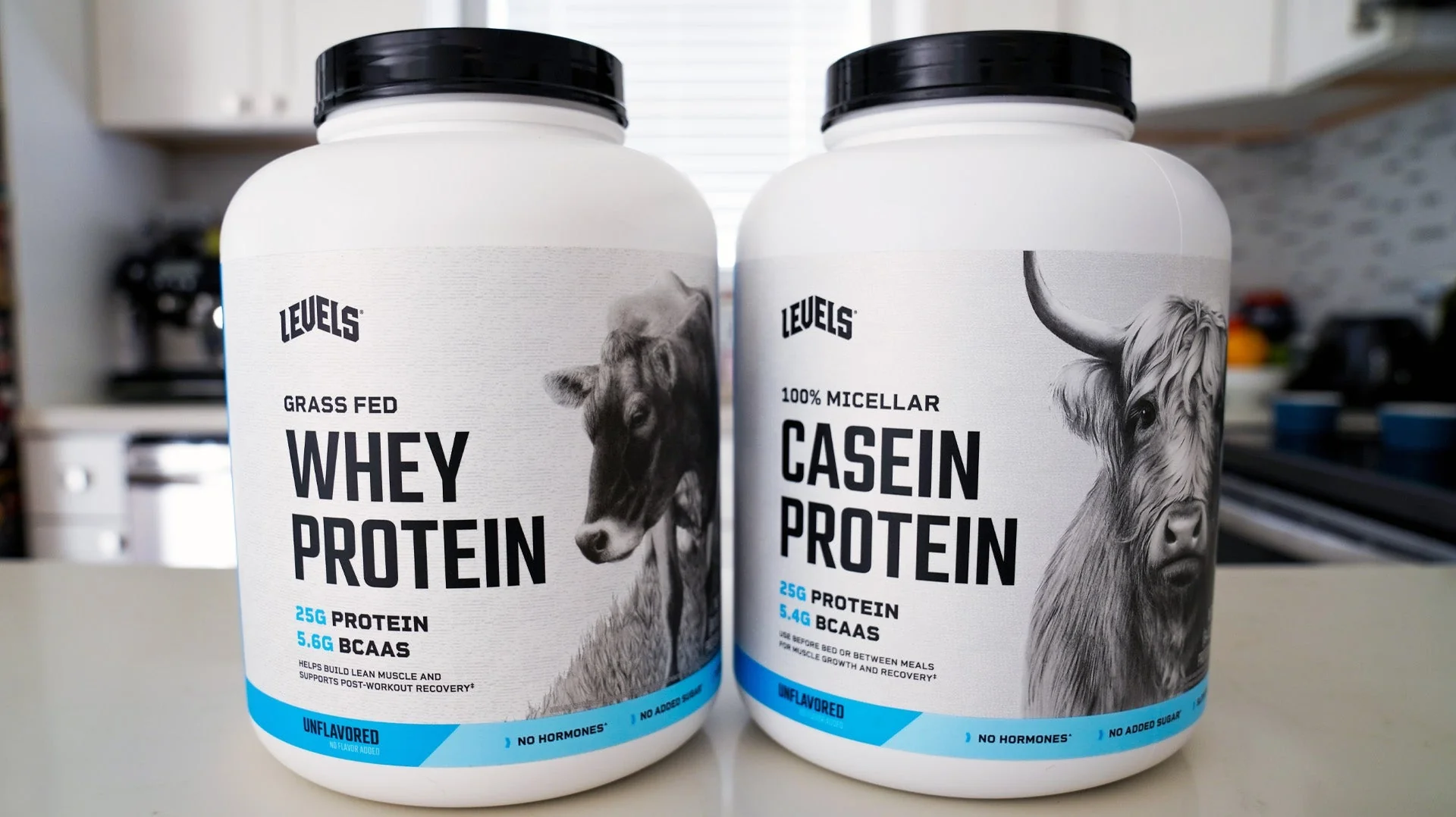
Whey vs. Casein: Which Protein is Right for Your Goals?
Whey vs. Casein: Which Protein is Right for Your Goals?
Intro: In the world of protein supplements, whey and casein stand out as the two most popular options.
While both are derived from milk and are excellent for muscle support, they have one key difference that
determines when and how you should use them: their absorption rate. Let’s break down the classic
protein debate to help you decide which one is a better fit for you.
The Main Difference: Speed of Digestion
● Whey Protein: The “Fast” Protein Whey is a fast-digesting protein that is quickly absorbed by
your body. It floods your muscles with amino acids shortly after consumption, which is why it’s so
popular for post-workout shakes. This rapid delivery of nutrients kick-starts muscle protein
synthesis (the process of repairing and building muscle).
○ Best Time to Take: Immediately after a workout.○ Ideal for: Athletes, bodybuilders, and anyone looking for rapid
muscle recovery.
● Casein Protein: The “Slow” Protein Casein is the “slow-and-steady” protein. It forms a gel-like
substance in your stomach, which slows down digestion and provides a prolonged, steady
release of amino acids into your bloodstream. This “drip-feed” of nutrients can last for several
hours.
○ Best Time to Take: Before bed or during long periods between meals.
○ Ideal for: Preventing muscle breakdown (catabolism) during sleep or a fast, and for
those looking for a satiating snack.
Which One Should You Choose?
● If your goal is immediate recovery: Choose Whey Protein. Its fast absorption makes it the
optimal choice for a post-workout anabolic boost.
● If your goal is to prevent muscle breakdown: Choose Casein Protein. Taking it before bed
ensures your muscles are nourished throughout the night.
● Can you use both? Absolutely! Many athletes combine the two. A common strategy is to take
whey post-workout for immediate recovery and casein before bed to support muscle growth while
you sleep.
Conclusion: There’s no single “winner” between whey and casein—they serve different purposes. The
best choice depends on your specific goals and timing. Understanding their unique properties allows you
to strategically use them to maximize your results. -
A Beginner’s Guide to Choosing the Right Protein Powder
Walking into a supplement store or browsing online can feel overwhelming. With so many options—
whey, casein, plant-based—how do you know which protein powder is right for you? This guide is
designed to cut through the confusion and help you make an informed decision based on your goals and
dietary needsStep 1: Understand the Main Types of Protein Powder
● Whey Protein: This is the most popular type and is a complete protein, meaning it contains all
nine essential amino acids. It’s fast-digesting, making it ideal for post-workout recovery when your
muscles need a quick amino acid boost.
○ Best for: Post-workout recovery, muscle building.
● Casein Protein: Also a milk-based complete protein, but it digests slowly. It forms a gel in your
stomach, releasing amino acids gradually over several hours.
○ Best for: Before bed to prevent muscle breakdown overnight, or as a meal replacement
to stay full longer.
● Plant-Based Protein: A great option for vegans, vegetarians, or those with dairy sensitivities.
Common sources include pea, brown rice, hemp, and soy.
○ Best for: Anyone following a plant-based diet or with dairy issues. Look for a blend of
different plant proteins to ensure a complete amino acid profile.
Step 2: Define Your Fitness Goals
● For Muscle Building: A fast-digesting protein like whey is your best friend right after a workout.
● For Weight Loss: Protein can help you feel full and satisfied, reducing cravings. Casein’s slow-
digesting properties can be particularly useful here.
● For Endurance Athletes: Protein helps with muscle repair and recovery after long runs or rides.
Both whey and casein can be beneficial.Step 3: Check the Nutrition Label Don’t just look at the grams of protein. Also, check the sugar content,
as some powders can be loaded with unnecessary sweeteners. Look for a short and clean ingredient listConclusion: The “right” protein powder is the one that fits your goals, diet, and lifestyle. Take the time to
understand the differences, and you’ll be able to confidently choose a supplement that supports your
fitness journey -
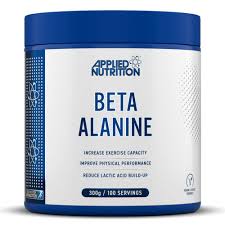
What is Beta-Alanine and How Does it Supercharge Your Workouts?
Ever looked at the ingredients list on your pre-workout and wondered what “Beta-Alanine” is?
You’re not alone. While it’s a common ingredient in sports supplements, many people don’t know what it
does or why it’s so effective. In short: it’s a game-changer for pushing through fatigue and getting those
last few crucial reps.
In this article, we’ll break down exactly what Beta-Alanine is, how it works in your body, and why it’s a key
ingredient for anyone serious about improving their performance.What Exactly is Beta-Alanine? Beta-Alanine is a non-essential amino acid. Unlike other amino acids
that build protein, Beta-Alanine’s main job is to help produce carnosine, a molecule stored in your
muscles. Think of carnosine as a tiny, highly effective buffer.
How Does It Work in Your Body? During high-intensity exercise (like weightlifting, sprinting, or HIIT),
your muscles start to produce lactic acid, which breaks down into hydrogen ions. When these hydrogen
ions build up, it causes that “burning” sensation you feel, leading to muscle fatigue and eventually forcing
you to stop.
This is where carnosine comes in. It acts as a buffer, neutralizing those hydrogen ions and reducing the
acidity in your muscles. By doing so, it delays the onset of muscle fatigue, allowing you to train harder
and for longer before that burning sensation kicks inThe Key Benefits for Your Workout:
1. Increased Endurance: By buffering the acid in your muscles, Beta-Alanine allows you to perform
more reps or continue a high-intensity activity for longer.
2. Enhanced Strength & Power: More endurance leads to more reps, which over time translates to
greater strength and power gains.
3. Faster Recovery Between Sets: The ability to buffer muscle acidity can also help you recover
more quickly between sets, meaning you’re ready for your next set faster.Beta-Alanine is more than just a buzzword on a label—it’s a scientifically-backed ingredient
that directly impacts your ability to train harder. If you’re looking to push past your plateaus and maximize
your performance, consider adding a supplement with Beta-Alanine to your routine